Agricultural Fencing
This study analyzes US demand for agricultural fencing by material (metal wire and pipe, wood, plastic and composite, and concrete and other materials) and application (new and improvement and repair).
Free Sample Report
Request a free sample of this report and our team will email it to you.
Report Overview
Featuring 20 tables and 14 figures – now available in Excel and Powerpoint! Learn More
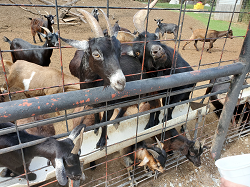
This study analyzes US demand for agricultural fencing by material (metal wire and pipe, wood, plastic and composite, and concrete and other materials) and application (new and improvement and repair).
Historical data for 2009, 2014, and 2019 and forecasts to 2024 and 2029 are presented in millions of dollars and in million linear feet.
Additionally, demand for fencing is broken out for the following US geographic regions and subregions.
- Executive Summary
- About This Report
- Report Details
- Study Scope & Market Description
- Impact of COVID-19 Pandemic
More about the study and the Fencing Series
Reports in the Fencing series include:
- Agricultural Fencing
- Chain Link Fencing
- Commercial Fencing
- Composite Fencing
- Concrete Fencing
- Fencing
- Gates & Fencing Accessories
- Metal Fencing
- Plastic Fencing
- Residential Fencing
- Wire Fencing
- Wood Fencing
Through 2024, demand for fencing in the agricultural segment is expected to rise 1.8% annually to $1.1 billion. Demand in linear feet will edge up to 206 million linear feet, gains that are roughly in line with long-term historical averages:
- The number of US farms will continue to decline, as will the acreage devoted to farming, dampening associated fencing requirements.
- The high share of existing fences constructed from durable metal materials will limit replacement demand.
- The existing agricultural fencing stock is large, and the need for upkeep will help boost repair and replacement product demand.
Use of Higher Value Plastic Fencing Products Boosts Market Value
Value growth will be supported by the increasing use of higher value plastic fencing materials, as the safety and welfare of animals remains a concern. In addition, vinyl and concrete are seen as more durable replacements for wood in post and rail and split rail applications, especially around property borders.
Agricultural Fencing Is a Unique Part of Overall Fencing Industry
While many leading fencing producers supply the agricultural market, there are also a significant number of specialty suppliers that only offer agricultural fencing. Some of the largest of these specialty suppliers sell a wide range of farm and ranch products, with fencing one of many product lines offered. The agricultural market is the leading outlet for certain types of fencing including barbed wire, pipe fencing, and HDPE plastic fencing.
- Executive Summary
- About This Report
- Report Details
- Study Scope & Market Description
- Impact of COVID-19 Pandemic
- Overview
- Historical Market Trends
- Long-Term Forecast (Value & Linear Feet)
- Demand by Application
- New vs. I&R
- New Construction
- Improvement & Repair
- Demand by Region
- Materials
- Demand by Material
- Metal
- Wood
- Plastic & Composite
- Concrete & Other Materials
- Suppliers
- Industry Composition
- Market Share
- Appendix
- Scope
- Definitions
- Freedonia Methodology
- Study-Specific Methodology
- Sources
- Associations & Agencies
- Related Studies & Reports
- Macroeconomic Assumptions
- Economic Environment
- Demographics
- Consumer Financing
- Consumer Spending
- Agricultural Outlook
- Regional Population