Pet Health & Wellness: US Pet Market Trends & Opportunities, 2nd Edition Report
Explore US pet health and wellness trends across food, supplies, veterinary care, insurance, technology, and non-medical services, with forecasts to 2026.

Free Sample Report
Request a free sample of this report and our team will email it to you.
Report Overview
Wellness Is Everywhere - but Value Determines Growth
Pet health and wellness has expanded far beyond the veterinary clinic. It now influences food formulation, supplement and medication choices, dental and grooming routines, connected products, insurance, and the services owners use to support pets’ physical and emotional well-being. As prices remain elevated, the strongest opportunities pair credible wellness benefits with affordability, convenience, education, and measurable value.
Key Themes Covered in this Report:
- How health and wellness positioning connects pet food, supplies, veterinary care, and non-medical services
- Why affordability pressures are driving trade-down, promotion seeking, DIY care, and delayed veterinary visits
- How Gen Z and Millennial pet owners differ from older owners in information sources, technology use, and care formats
Pet health and wellness has become an omnimarket force reaching every major part of the US pet industry.
- Pet food marketers are advancing functional, science-based, and condition-specific nutrition;
- Non-food suppliers are bringing health positioning to products other than pet medications and supplements, including dental products, litter, durables, technology, and grooming products;
- Veterinary providers are adapting to changing client expectations and service formats; and
- Non-medical service companies increasingly promote physical activity, enrichment, hygiene, comfort, and emotional well-being.
Across these categories, owners are seeking ways to help pets live longer, healthier, and more comfortable lives.
This type of market positioning is unfolding alongside intense affordability pressure. Packaged Facts projects total US pet market sales of $159.1 billion in 2026, but overall growth is slowing to 2.3%. Owners continue to prioritize pet health, yet elevated prices are encouraging trade-down, promotion seeking, delayed care, do-it-yourself solutions, and closer scrutiny of value. Veterinary services are especially exposed: 2025 prices rose 7.1%, while usage rates remain below earlier peaks. Prescription medication access, lower-cost options, wellness plans, pet insurance, telehealth, online pharmacies, memberships, and better client education all offer routes to reduce friction and protect continuity of care.
Pet Health & Wellness: US Pet Market Trends & Opportunities, 2nd Edition delivers a cross-category assessment of the products, services, technologies, and consumer behaviors shaping the market. It examines the breadth of health and wellness trends across the pet market, including:
On the product side: functional pet food and treats, preventive nutrition, pet supplements, oral care, health-monitoring litter, and active-lifestyle products.
On the services side: pet insurance, grooming, boarding, daycare, walking, sitting, and end-of-life support.
The report also identifies generational and income-based differences, including younger owners’ greater use of digital information and emerging care formats, and evaluates the companies and strategies redefining pet wellness.
Backed by proprietary Packaged Facts surveys conducted throughout 2026, the report provides actionable intelligence for pet product marketers, retailers, veterinary organizations, non-medical service providers, insurers, investors, and other stakeholders looking for growth opportunities in a market where wellness remains a powerful priority even as consumers demand clearer value.
Pet Health & Wellness: US Pet Market Trends & Opportunities Report Details
| Current Total Market Size | $159.1 billion in 2026 (projected) |
| Current Total Market Growth Rate | 2.3% in 2026 (projected change from 2025) |
| Historical Period | 2020-2025 |
| Units Covered | US dollars |
| Regions | United States |
| Products | Pet food and treats; pet medications; pet supplements; dental/oral care products; cat litter; durable pet products; pet technology; grooming and hygiene products |
| Services | Veterinary services; pet insurance and wellness plans; grooming; walking; sitting; daycare; boarding; training; end-of-life and bereavement services |
| Consumer Analysis | Dog and cat owners; generational cohorts; household income groups; pet product purchasers, veterinary and pet-service customers |
Leading Companies Driving Trends in the Pet Health & Wellness Industry
| Amazon | Mars Petcare |
| BluePearl Pet Hospital | Merck Animal Health |
| Boehringer Ingelheim | Nestlé Purina PetCare |
| Central Garden & Pet | Petco |
| Ceva | PetIQ |
| Chewy | PetSmart |
| Covetrus | Royal Canin |
| Dogtopia | Trupanion |
| Elanco Animal Health | Virbac |
| Hill’s Pet Nutrition | Zoetis |
Pet Wellness Expands Across the Market
Pet wellness is no longer limited to treating diagnosed conditions. Owners increasingly think about nutrition, exercise, mental stimulation, comfort, safety, hygiene, preventive care, and healthy aging as interconnected parts of a pet’s quality of life. That broader definition creates opportunities throughout the market. Food and treats deliver functional ingredients and condition-specific benefits; supplies support monitoring, mobility, oral health, enrichment, and everyday care; veterinary providers guide medical and preventive decisions; and non-medical services help maintain activity, routines, socialization, and grooming.
Affordability Changes the Path to Care
Consumer commitment to pet health remains strong, but high prices are forcing owners to make tradeoffs. Some are switching to lower-priced foods, seeking discounts, reducing discretionary purchases, delaying veterinary visits, or handling more care at home. This makes value communication critical. Products and services that clearly explain their benefits or simplify routines and retailers that offer flexible payment or subscription options can remain relevant even in a cautious spending environment, with the ultimate goal of helping pets live longer, healthier lives.
Nutrition Moves Toward Targeted Prevention
Functional pet food is bringing wellness into the daily bowl. Gut and microbiome support, healthy-aging formulations, weight and metabolic health, allergy and limited-ingredient diets, hydration, urinary support, and multi-benefit products are widening the market. Science-based positioning and veterinary involvement can strengthen credibility, while formats tailored to cats and life-stage needs create room for more precise innovation. Treats and chews are evolving along similar lines, combining rewards with dental, digestive, calming, immune, mobility, and other benefits.
Care Channels Become More Connected
The pet healthcare journey is becoming more distributed. Veterinary clinics remain highly trusted, but younger owners also rely on digital sources, retailers, social media, and non-medical service providers. Online pharmacies, telehealth, connected devices, wellness plans, insurance, and membership models can help owners manage access and cost. The opportunity is not simply to add channels, but to connect education, products, services, and follow-up so owners can act confidently throughout a pet’s life.
Pet Health & Wellness: US Pet Market Trends & Opportunities Report Scope
This report analyzes health and wellness trends and opportunities across the US pet market, spanning retail-channel pet food and treats, non-food pet supplies, veterinary services, and non-medical pet services. It examines how preventive care, functional nutrition, science-backed products, pet medications and supplements, dental care, health-monitoring and activity products, grooming, pet insurance, and other services contribute to pet health, comfort, safety, longevity, and quality of life.
Historical overall pet market sales are provided for 2020-2026, with projections for 2026, along with consumer attitudes, purchasing patterns, usage rates, demographic differences, and competitive and merger-and-acquisition activity. The analysis draws on Packaged Facts proprietary 2026 Surveys of Pet Owners, MRI-Simmons consumer data, government statistics, company reporting, and industry sources.
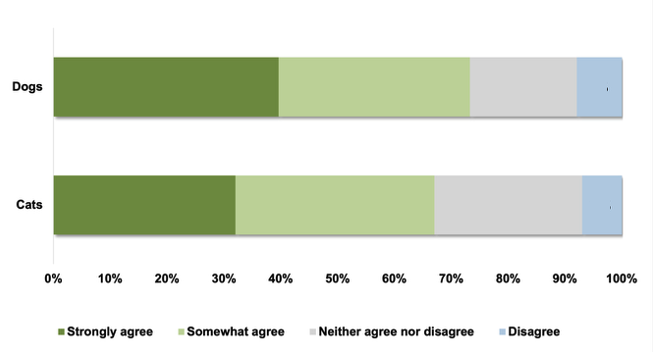
Elevated prices are leading owners to seek promotions, switch to lower-cost options, reduce discretionary purchases, delay care, and adopt do-it-yourself routines. This increases demand for products and services that demonstrate established preventive value, providing additional u201cbang for the bucku201d.
The market extends across functional pet food and treats, medications, supplements, dental care, health-monitoring and active-lifestyle products, veterinary care, pet insurance, grooming, boarding, daycare, walking, sitting, and other services that support physical health, emotional well-being, safety, comfort, and longevity.
Key opportunities include functional and condition-specific nutrition, microbiome and healthy-aging products, dental care, preventive medications, pet insurance and wellness plans, telehealth, online pharmacy channels, connected monitoring products, enrichment products and services, and services positioned around holistic health and quality of life.