Pet Medications in the US, 10th Edition Report
Pet medications remain driven by strong consumer interest in pet health and wellness, though growth has slowed due to economic pressures, competition from functional foods and supplements, and limited dog population growth. This report analyzes market trends, product innovation, consumer behavior, and forecasts for the US pet medications market through 2030.
Free Sample Report
Request a free sample of this report and our team will email it to you.
Report Overview
Strong Interest in Pet Health and Wellness Continues to Support Demand for Pet Medications
While consumers remain highly focused on products that support preventive care and common health concerns, many are trimming discretionary spending due to economic pressures, creating headwinds for the category. As a result, the market is transitioning from pandemic-era surge growth to a steadier pace in the years ahead.
Key Themes Covered in this Report:
- Veterinary channel sales make up the bulk of the pet medications market
- Marketers and retailers must position pet medications as necessities, not “nice-to-have” products
- Cat-specific medications are a key area of opportunity
Pet Medications Growth Impacted by Vet Usage, Pet Population
The US pet medications market is facing headwinds from all sides, with economically strained pet owners, a challenged veterinary sector, shifts in the pet population, and omnimarket competition all contributing to recent changes in the market. That said, opportunities remain. Pet health and wellness remain a top priority for consumers, and strong owner commitment to maintaining pet health, combined with continued innovation in patented prescription therapies, is helping sustain the market and prevent broader sales erosion.
Packaged Facts estimates that retail sales of pet medications approached $13 billion in 2025, with market growth slowing to 3.1% in 2024 and 1.9% in 2025. Although inflationary pressures have eased across many consumer markets, pet medication manufacturers and marketers have continued to implement price increases into 2026, meaning that much of the category’s recent growth reflects higher prices rather than expanding sales volume. Marketers continue to strategize around growing competition from lower-cost generic alternatives entering the market after patent expirations.
Veterinary clinics remain the dominant distribution channel, accounting for an estimated 70% of pet medication sales, yet the veterinary sector itself is under increasing pressure. Veterinary service inflation, affordability concerns, and macroeconomic uncertainty have contributed to declining veterinary usage rates. At the same time, online retailers and other non-veterinary channels continue to gain share, intensifying competitive pressure on traditional veterinary sales.
Economic strain is visible in pet owner attitudes and purchasing behavior. Packaged Facts 2026 Surveys of Pet Owners reveal growing concern over the rising costs of pet food, veterinary care, and medications, with nearly three-quarters of pet owners agreeing that prescription pet medications cost too much. More than half worry about their ability to afford pet healthcare, while many report that broader pet care expenses are limiting medication purchases. These affordability challenges are also influencing pet ownership trends, particularly among dog owners. Packaged Facts estimates that the number of US households owning dogs declined by nearly three million between 2021 and 2025, a significant development given dogs’ outsized role in medication sales. Conversely, cat ownership has risen moderately, creating opportunities for marketers to expand focus on feline health products.
This Packaged Facts report delivers comprehensive analysis of the US pet medications market, including historical market performance from 2020 through 2025 and forecasts through 2030. The study examines pet medication sales by pet type (dogs and cats), distribution channel (veterinary clinics, online retailers, and brick-and-mortar retail), and product segment, providing in-depth coverage of both prescription pet medications and over-the-counter (OTC) pet healthcare products. Key product categories analyzed include parasiticides (flea and tick treatments, heartworm preventives) as well as coverage of other companion animal medications. The report offers detailed competitive intelligence of leading pet pharmaceutical and animal health companies shaping the US pet meds industry. The report also investigates evolving retail channel trends across veterinary practices, pet specialty retailers, mass-market outlets, e-commerce platforms, and online pet pharmacies, with special emphasis on the expanding role of digital commerce in pet medication purchasing and the shifting relationship between veterinary and retail distribution.
Consumer insights are derived primarily from Packaged Facts’ proprietary January 2026 and February 2026 Surveys of Pet Owners. Survey findings provide analysis of purchase behavior, medication usage rates, preferred retail channels, demographic segmentation, and psychographic trends, offering valuable insight into pet owner attitudes toward pet health, veterinary care, affordability, and spending on pet medications and wellness products.
Pet Medications in the US, 10th Edition Report Details
| Current Total Market Size | $13 billion in 2025 |
| Forecast Total Market Growth Rate | 2.4% CAGR for 2025-2030 |
| Historical Period | 2020-2025 |
| Forecast Period | 2026-2030 |
| Regions | United States |
| Products | Dog and cat medications |
| Markets | Pet medications |
| Point Where Data is Measured | Veterinary and retail sales |
Leading Companies Driving Trends in the Pet Medications Market
| Boehringer Ingelheim | Central Garden & Pet |
| Ceva Animal Health | Elanco |
| Hartz Mountain Corp. | Merck Animal Health |
| Pet IQ | Vetoquinol |
| Virbac | Zoetis |
Pet Health and Wellness Drives Market Growth
Rising healthcare awareness among US pet owners continues to support demand in the evolving pet medications market, even as economic pressures reshape purchasing behavior. According to Packaged Facts research, pet owners remain deeply committed to maintaining their pets’ health and wellness, creating ongoing opportunities across prescription pet medications, over-the-counter pet healthcare products, and preventive treatments such as flea, tick, and heartworm medications. Packaged Facts survey data show that 86% of pet owners actively monitor their pet’s health, while 72% seek products that improve overall pet wellness and quality of life.
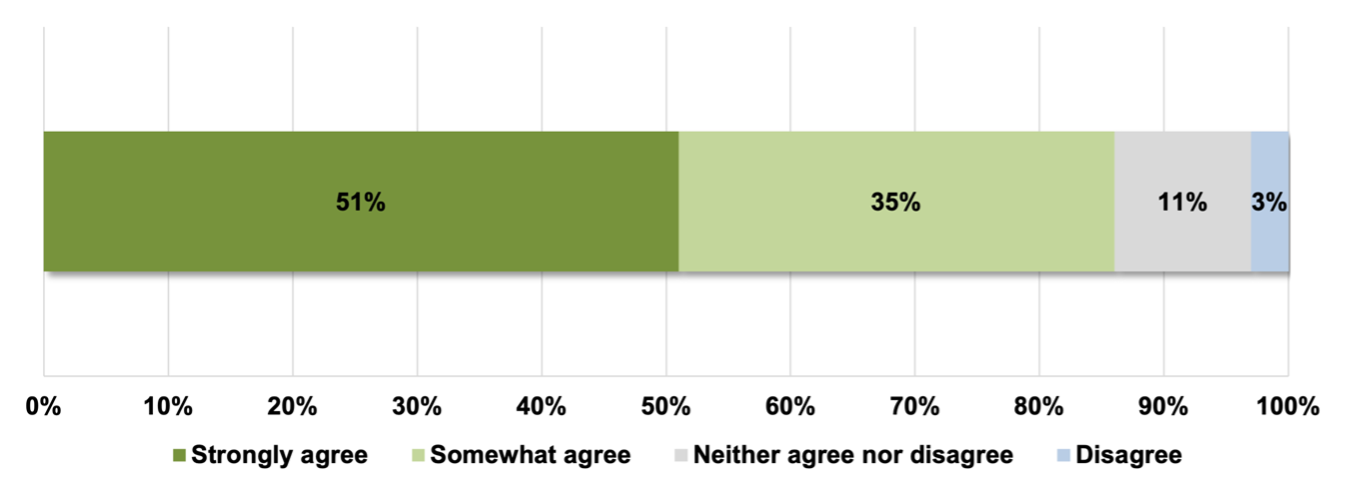
In addition, more than half of pet owners report paying closer attention to their pets’ health than in previous years, reinforcing the growing “humanization of pets” trend driving spending across the companion animal healthcare market. This heightened focus on preventive care and wellness continues to support demand for veterinary pharmaceuticals, parasiticides, dermatology products, and pain management solutions for both dogs and cats.
At the same time, the US pet medications market is undergoing significant structural change. Veterinary clinics remain the leading distribution channel for pet medications, but online pet pharmacies and e-commerce retailers continue to gain share as consumers increasingly seek convenience, price transparency, and lower-cost alternatives. The expanding availability of generic pet medications is also reshaping competition, particularly in flea and tick prevention and other high-volume categories.
Economic pressures, however, are influencing pet owner spending priorities. Rising costs for veterinary care, pet food, and prescription medications have increased affordability concerns among consumers, leading many households to reassess pet healthcare spending. Despite these challenges, most pet owners continue to prioritize their pets’ well-being, with a large majority indicating they would cut back on personal expenses before compromising their pets’ health. Changing pet ownership trends are also influencing the future of the market. While dog ownership levels have softened in recent years, cat ownership has experienced moderate growth, creating new opportunities for pet medication manufacturers and marketers targeting feline health products. As pet owners become increasingly proactive about monitoring pet health, the demand for innovative, accessible, and value-oriented pet healthcare solutions is expected to remain a key driver of growth in the US pet medications industry through 2030.
Pet Medications in the US, 10th Edition Report Scope
Pet Medications in the US, 10th Edition, examines the US market for medications for domesticated dogs and cats, with a focus on products purchased directly by consumers. These include both prescription and over-the-counter (also called OTC or retail) medications. The primary focus of this report is on the core types of antiparasitics/parasiticides – heartworm preventatives, flea/tick preventatives, and heartworm/flea combo products, and other dewormers. Also covered are market-shaping developments in other areas, including anxiety, pain management, cancer, cognitive dysfunction, and obesity/diabetes.
- Executive Summary
- Scope and Methodology
- Market Size & Composition
- Pet Medications Growth Impacted by Vet Usage, Pet Population
- Market Outlook
- Economy's Impact on Pet Owner Spending Mindset
- Changes in the US Pet Population
- Opportunities
- Market Trends
- Chapter Highlights
- Market Size & Composition
- Pet Medications Growth Impacted by Vet Usage, Pet Population
- Table | US Retail Sales of Pet Medications, 2020-2025 (dollars in millions)
- Share of Sales by Animal Type
- Share of Sales by Distribution Channel
- Table | Share of US Retail Sales of Pet Medications by Distribution Channel, 2025 (percent and dollars in mi
- Pet Medications Sales by Pet-Owning Household
- Table | Dollar Sales of Pet Medications by Sector Per Pet-Owning Household, 2020-2025 (dollars in millions a
- Table | Dollar Sales of Pet Medications Per Dog-Owning Household and Dog by Sector, 2025 (dollars in million
- Table | Dollar Sales of Pet Medications Per Cat-Owning Household and Cat by Sector, 2025 (dollars in million
- Share of Sales by Product Type
- Table | Share of US Retail Sales of Pet Medications by Product Type, 2025 (percent and dollars in millions)
- Parasiticide Sales by Type
- Table | Share of US Retail Sales of Parasiticides by Product Type: Prescription vs. OTC, 2025 (percent and d
- Table | Share of US Retail Sales of Parasiticides by Product Type: Dogs vs. Cats, 2025 (percent and dollars
- Pet Medications Growth Impacted by Vet Usage, Pet Population
- Market Outlook
- Economy's Impact on Pet Owner Spending Mindset
- Table | Changes in Levels of Pet Care Spending in Last 12 Months, 2022 – 2026 (percent of pet care customers
- Pet Owners Struggle with Pet Medications Costs
- Pet Medications Spending Changes
- Table | Pet Owner Spending Changes, 2025 vs. 2024 2026 (percent of pet owners)
- Changes in the US Pet Population
- Table | Dog-Owning Household Population by Generational Cohort, 2020/21-2024/25 (number in thousands)
- Table | Ratio of Puppy to Kitten Households, 2020/21-2024/25 (number in thousands)
- Pet Medications Among Top Pet Health Products
- Table | Agreement with Selected Statements Related to Pet Health Concerns, 2026 (percent)
- Dermatitis, Gastroenteritis Top Health Claims
- Pet Health Remains Top Priority
- Table | Top Pet Health and Wellness Concerns, Dogs vs. Cats, 2026 (percent of owners of dogs no cats and cat
- Pets Central to Home Life
- Table | Where Pets Are Typically Kept: Dogs vs. Cats, 2025 (percent of pet owners)
- Pet Medication Sales Dependent on Challenged Veterinary Sector
- Table | Veterinary Service Usage Rates: Overall and by Dog/Cat Ownership, 2016 – 2025 (percent of dog/cat ow
- Table | Client Base for Veterinary Services vs. Overall Dog/Cat Household Population, 2022 – 2025 (in millio
- Table | Spending Changes on Veterinary Services, 2024 vs. 2023 and 2025 vs. 2024 (share of pet owners who us
- Why Some Pet Owners Don't Use Pet Medications
- Table | Top Reasons Pet Owners Don't Use Pet Medications, 2026 (percent of pet owners who have not purchased
- Table | Top Reasons Pet Owners Don't Use Pet Medications by Income Level, 2026 (percent of pet owners who ha
- Impact of Generics
- Competition from Supplements and Pet Food/Treats
- Table | Top Condition-Specific Pet Supplements, Pet Food, and Pet Treat Purchase Rates, Past 12 Months, 2025
- Product Regulation
- Economy's Impact on Pet Owner Spending Mindset
- Looking Ahead
- Pet Medication Sales to Approach $15 Billion by 2030
- Table | Projected US Retail Sales of Pet Medications, 2025-2030P (dollars in millions)
- Pet Medication Sales to Approach $15 Billion by 2030
- Competitive and Retail Channel Trends
- Chapter Highlights
- Competitive Overview
- Prescription and OTC Marketers
- M&A, Investment, and Expansion Activity
- Global and US Conglomerates Dominate Pet Medications Market
- Innovation Spurred by Cost, Convenience, and Safety
- Generics Increasing Competition and Spurring Innovation
- Table | Select Generic Equivalents of Parasiticide Brands, 2026
- Pet Tech and AI Developments
- Table | Levels of Agreement with Selected Statements Related to Telehealth, 2026 (percent of veterinary cust
- Retail Trends
- Pet Medication Sales Trending Online
- Parasiticide Cross-Shopping Patterns
- Table | Cross-Shopping Patterns for OTC Parasiticides Across Leading Channels, 2025 (percent)
- Table | Cross-Shopping Patterns for Prescription Parasiticides Across Leading Channels, 2025 (percent)
- Internet Exerts Influence Beyond Purchasing
- Retailers All-In on Online Pet Medications
- Veterinary Influence Not as Strong in Younger Generations
- Table | Most Important Sources of Pet Care Information, by Generation 2026 (percent of pet owners)
- Veterinary and Pharmacy Consolidation a Growing Trend
- Pet Specialty Brick & Mortar Stores Focus on OTC Medications
- Prescription Products
- Chapter Highlights
- Prescription Products Market Share
- Prescription Products Account for Vast Majority of Pet Medications Market
- Table | Retail Sales of Prescription Pet Medications by Product Type, 2025 (dollars in millions and percent
- Prescription Products Account for Vast Majority of Pet Medications Market
- Marketer Profiles
- Dozens of Marketers Participate in Prescription Pet Medications Market
- Boehringer Ingelheim Animal Health
- Elanco
- Merck Animal Health
- Virbac
- Zoetis
- Marketing and New Product Trends
- Pet Owner Loyalty Lacking in Prescription Parasiticide Market
- Table | Brand Loyalty Rates: Prescription Pet Medications Other Pet Product Segments, 2026 (percent of pet o
- Parasiticides
- Table | Prescription Parasiticide Brands, 2026
- Flea and Tick Products
- The Heartworm Market
- Combination Products
- Broad Spectrum Wormers
- Vaccines and Other Drugs
- Pet Owner Loyalty Lacking in Prescription Parasiticide Market
- OTC Products
- Chapter Highlights
- OTC Product Sales
- OTC Products Account for 19% of Overall Pet Medications Market
- Table | Retail Sales of Over-the-Counter Pet Medications by Product Type, 2025 (dollars in millions and perc
- OTC Products Account for 19% of Overall Pet Medications Market
- Marketer Profiles
- OTC Marketers Focus on Parasiticides, First Aid Products
- Central Garden & Pet
- Ceva Animal Health
- Hartz Mountain Corporation
- PetIQ
- Vetoquinol
- Marketing and New Product Trends
- Parasiticides
- Table | Examples of Leading Over-the-Counter Flea/Tick Brands, 2026
- Flea and Tick Products
- Broad Spectrum Wormers & Mite Treatments
- Natural Products
- First Aid Products
- Parasiticides
- Consumer Trends
- Chapter Highlights
- Pet Medication Purchasing Patterns
- A Note on the Data
- Purchasing Rates by Product Type
- Table | Pet Medications Purchase Patterns by Type in Last 12 Months by Household Income, 2026 (percent and i
- Two-Thirds of Dog or Cat Households Use Parasiticide Products
- Table | Percentage and Number of Dog or Cat Owners Who Use Flea/Tick or Other Parasiticides, Winter 2026 (pe
- Table | Percentage and Number of Dog or Cat Owners Who Use Flea/Tick Prevention or Other Parasiticides, Wint
- Table | Number of Dog or Cat Owners Who Use Prescription Parasiticides, Summer 2024-Winter 2026 (percent and
- Table | Number of Dog or Cat Owners Who Use Over-the-Counter Parasiticides, Summer 2024 Winter 2026 (percent
- Pet Owner Interest in Injectable Parasiticides
- Changes in Parasiticide Purchasing
- Table | Changes in Pet Medication Purchasing in Past 12 Months, Pet Owners Overall, 2026 (percent of dog and
- Table | Changes in Pet Medication Purchasing in Past 12 Months, Pet Medication Purchasers, 2026 (percent of
- Over Half of Dog Owners Use Oral Parasiticides
- Table | Usage Rates of Parasiticides by Type, Winter 2026 (percent of dog- or cat-owning households)
- Parasiticide Usage by Number, Age of Pets
- FRONTLINE Most Frequently Used Flea/Tick Brand
- Table | Share of Flea, Tick, and Parasite Product Usage by Brand, Winter 2026 (percent of parasiticide users
- Pet Medications Purchasing Patterns by Channel
- Vet Clinics Most Frequently Used Channel for Prescription Medication Purchases
- Table | Prescription Pet Medications Purchases by Channel, 2026 (percent of pet owners using prescription pe
- Table | Prescription Pet Medications Purchases by Channel, by Generation, 2026 (percent and index of pet own
- Mass Merchandisers, Online Retailers for OTC Medication Purchases
- Table | Over-the-Counter Pet Medications Purchases by Channel, 2026 (percent of pet owners using OTC pet med
- Table | Over-the-Counter Pet Medications Purchases by Channel, by Household Income, 2026 (percent and index
- Greatest Share of Parasiticide Purchases Made at Veterinary Clinics
- Table | Parasiticide Purchase Patterns by Channel, Past 12 Months, Winter 2026 (percent of parasiticide user
- Share of Spending on Prescription Pet Medications by Channel
- Table | Share of Spending on Prescription Pet Medications by Channel, 2026 (percent of prescription pet medi
- Vet Clinics Most Frequently Used Channel for Prescription Medication Purchases
Cat-specific medications and value-positioned products are some areas of opportunity.
Pet owner economic challenges, changes in the pet population, and competition from generic products are some of the main challenges in the pet medications market.
The pet medications market reached $13 billion in 2025