Dairy & Egg Alternatives: United States
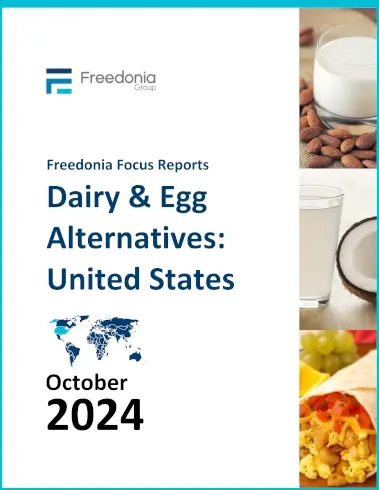
This report forecasts for 2024-2029 US dairy and egg alternative sales in nominal US dollars. Total plant-based dairy and egg sales are segmented by product in terms of: milk; creamer; yogurt; ice cream and other frozen novelties; butter; ready-to-drink beverages; cheese; spreads, dips, sour cream, and sauces; and eggs.
Free Sample Report
Request a free sample of this report and our team will email it to you.
Report Overview
Dairy & Egg Alternatives: United States
This report forecasts for 2024-2029 US dairy and egg alternative sales in nominal US dollars. Total plant-based dairy and egg sales are segmented by product in terms of: milk; creamer; yogurt; ice cream and other frozen novelties; butter; ready-to-drink beverages; cheese; spreads, dips, sour cream, and sauces; and eggs.
To illustrate historical trends, total plant-based dairy and egg sales and the various segments are provided for 2018-2023 and estimated for 2024.
This report examines the dynamics of the current landscape of the plant-based and animal-free (also known as cultivated, cruelty-free, lab-made, etc.) dairy and egg retail market. Plant-based dairy and egg products in the scope of this report include alternatives to dairy or eggs that attempt to replicate the flavor, function, and/or texture of these products through use of plant proteins. Alternatives like these often use terms such as: plant-based dairy/egg; vegetarian/vegan dairy/egg; dairy-free dairy/eggless egg; dairy/egg alternative; slightly altered names of the products they are imitating (e.g., chedd'r, mylk); and invented compound names derived from the primary plant-based ingredient and the conventional product name (e.g., almond milk, cashew cream cheese).
Although tofu, tempeh, and seitan may be used as substitutes for dairy or eggs by some consumers, they are excluded from the scope of this report unless they are sold in a dairy or egg form, or are otherwise specifically imitating these products. Other products such as pumpkin, banana, applesauce, flax seeds, and chia seeds are also commonly used as replacements for eggs in baking, but these ingredients are also excluded from the scope of this report. This means that vegetarian or vegan versions of animal products that use these ingredients – such as Chao Creamery plant-based cheese, which is made from chao tofu that specifically imitates cheese – are included in this report, but packages of the ingredients themselves are not.
Additionally, it is worth noting that sales of coconut milk and coconut cream sold as a general cooking ingredient (made directly from the pressing of coconut meat and often sold in cans) are not included in this report. Coconut milk in the scope of this report is developed to more closely imitate dairy milk and contains added water – and often other ingredients – to make it more suitable for drinking and use in a one-to-one ratio as a substitute for dairy milk. These products are frequently sold in cartons and can be refrigerated for use as a milk replacement.
Similarly, while trends in production and sales of plant-based meals or prepared foods containing plant-based dairy or eggs (e.g., frozen meals, pizza, mac & cheese, & burritos) are important to the development of the market for dairy and egg alternatives, the value of these sales are not included in the report. These products contain dairy and egg alternatives as only a small part of their ingredient profile.
Retail sales in this report include those made via consumer retail channels such as: grocery stores and supermarkets (e.g., Albertsons, Giant Eagle, Kroger, Publix, Safeway, local grocers); mass merchandisers (e.g., Walmart, Target, Meijer); specialty grocery stores (e.g., Whole Foods, Sprouts, Trader Joe's); wholesale clubs (e.g., Costco, Sam's Club, BJ's); discount grocers (e.g., ALDI, Save-a-Lot); and apps and websites (e.g., Amazon, Thrive Market, Walmart.com, Kroger.com, Instacart).
Other various topics, including profiles of pertinent leading companies, are covered in this report. A full outline of report items by page is available in the Table of Contents.
Related NAICS Codes:
- 112310 Chicken Egg Production
- 311511 Fluid Milk Manufacturing
- 311512 Creamery Butter Manufacturing
- 311513 Cheese Manufacturing
- 311514 Dry, Condensed, and Evaporated Dairy Product Manufacturing
- 311520 Ice Cream and Frozen Dessert Manufacturing
- 311999 All Other Miscellaneous Food Manufacturing
- 424440 Poultry and Poultry Product Merchant Wholesalers
- Highlights
- Market Overview
- Market Size
- Historical Plant-Based Dairy & Egg Alternative Sales Trends
- Increasing Concerns about Health, Animal Welfare, & the Environment Are Causing More to Turn to Plant-Forward Diets & Plant-Based Dairy and Egg Alternatives
- The Uncertain Landscape for Animal-Free (or Cruelty-Free, Cultivated, Lab-Cultured) Dairy & Egg Products
- The Beginning of Animal-Free Dairy & Egg Commercialization
- Challenges & Opportunities for Commercialization & Consumer Adoption
- Recent Historical Trends
- Increasing Dairy & Egg Prices & Supply Shortages Can Make Plant-Based Alternatives More Attractive to Some Consumers
- Cutting Back on Household Expenses
- Private Labels Are More Desirable as Prices Rise
- Snacking Trends Are Important to Plant-Based Foods
- Foodservice: Dining Out & Delivery
- Use of Restaurant Carryout & Delivery in the Last 12 Months
- Online Grocery Shopping & Convenience Food Options
- Work Habits
- Overview & Market Trends
- Wins for Plant-Based Dairy & Egg Suppliers Facing Definitional Challenges
- Animal Welfare & Environmental Issues Surrounding Dairy & Eggs
- Dairy & Egg Agriculture & Environmental Issues Intertwined
- Per Capita Consumption of Dairy Products Has Fallen Significantly Over the Past Two Decades
- Clean Label Trends
- Convenient Meals Can Be the Ultimate Selling Point for Busy Consumers
- Special Diets & Eating Trends
- Following Specific Eating Patterns/Diets
- Plant-Based Eating & Sustainability Are Buzzwords Important to the General Public
- Who Is the Target Audience for Plant-Based Dairy and Egg Alternatives?
- Food Allergies, Intolerances/Sensitivities, & Other Dietary Restrictions
- Consumers Following Plant-Forward Diets Are More Likely to Report Food Allergies or Intolerances
- Commonly Avoided Ingredients & Allergens Are Often Used in Plant-Based Dairy & Eggs
- Snacking Trends
- Consumer Demographics
- Plant/Nut Milk Types Used
- Use of Plant-Based Dairy Alternatives
- Where Consumers Buy Plant-Based Dairy Alternatives
- Openness to Trying Animal-Free, Cultivated/Cruelty-Free Products
- Trends by Plant-Forward Diets Followed
- Trends by Gender
- Trends by Age Bracket
- Patterns Based on Household Income
- Online Grocery Shoppers (Food Delivery and Pickup Services)
- Industry Structure
- Plant-Based Dairy & Egg Brands
- National Brands
- Private Label Brands
- Incubators & Venture Capital Funds Helping Startup Companies Develop New Proteins
- Funding for Plant-Based Dairy & Egg Companies
- Funding for Animal-Free/Cultivated/Cell-Based Dairy & Egg Companies
- Big Dairy Companies Moving into Alternative Proteins
- Comparison of Nutrition Information of Plant-Based Milks
- Ingredients
- Plant-Based Dairy & Egg Market Leaders of Note
- Blue Diamond Growers
- Califia Farms
- Danone North America
- SunOpta (Dream, West Life)
- Eat JUST
- Kite Hill
- Maple Leaf Foods (Field Roast - Chao Creamery)
- Miyoko’s Creamery
- Oatly
- Pacific Foods (Campbell Soup Company)
- About This Report
- Scope
- Sources
- Industry Codes
- Resources