Global Portland Cement
This study covers the global market for portland cement.
Free Sample Report
Request a free sample of this report and our team will email it to you.
Report Overview
Featuring 68 tables and 44 figures – now available in Excel and Powerpoint! Learn More
This study covers the global market for portland cement. Cement markets included are:
- residential building construction
- nonresidential building construction
- infrastructure and other markets, including roads, bridges, and other nonbuilding construction (e.g., public utility structures, airports, military facilities, parks, playgrounds)
Historical data for 2010, 2015, and 2020, and forecasts for 2025 and 2030 are provided for cement demand in metric tons and US dollars.

Impact of COVID-19 Pandemic
The COVID-19 pandemic had a negative impact on portland cement demand in all regions and markets in 2020, due mostly to downturns in construction, as well as to suppliers opting for less expensive alternatives, such as blended cement, during a period of great economic uncertainty:
- Central and South America was the hardest hit region in term of portland cement demand in 2020, as an already weak economy and building construction industry was exacerbated by the effects of the pandemic.
- Eastern Europe also experienced a sizable decline in demand in 2020, due mostly to the falling residential construction in Russia and most other countries in the region.
The two largest national markets – China and the US – both had weak portland cement markets in 2020, with the US experiencing a slight decline and China posted only a minor increase in demand given the preference for blended cement.
Except for North America – where demand is expected to decline slightly in 2021 due to a dip in nonresidential construction in the US – all regions and markets are expected to rebound strongly in 2021 and beyond, as construction markets are anticipated to rebound and surpass pre-pandemic levels.

Demand by Region
Global demand for portland cement is projected to advance 3.8% per year to 1.1 billion metric tons in 2025. Portland cement demand will be supported by the strength and durability of such products as high compressive strength grades, sulfate-resistant grades, and high early strength grades in demanding applications. For instance, high early strength grades of portland cement are the most efficient products for pavement repair applications.
However, further growth in the consumption of portland cement will be restrained by the following factors:
- Portland cement tends to be more expensive than blended cement, due to the higher energy costs for its production.
- Many manufacturers have been gradually moving away from portland cement toward products containing pozzolanic materials because they do not require the energy-intensive clinker phase of production, which can account for about 35% of the cost of manufacturing portland cement.
- The growing importance of environmental considerations has pushed a number of suppliers to shift toward blended cement, which utilizes waste materials and avoids the massive carbon dioxide emissions that result from the manufacture of portland cement.
- Competition from asphalt and other alternative types of construction materials will restrain consumption, as nearly all portland cement is used in making either concrete or mortar.
In countries where portland cement is the leading product, limited availability of pozzolanic materials will continue to restrain the ability of producers to shift away from portland cement to blended cement. The introduction of new specialty cement products will also provide increasing competition.

Residential Buildings
Global demand for portland cement in residential applications is forecast to rise 4.4% per year to 571 million metric tons in 2025, supported by:
- rising residential building construction in the Asia/Pacific region, led by double-digit growth in India
- fast population growth and increased urbanization in the Africa/Mideast region
- a rebound in new housing construction in Central & South America following weakness in the construction industry, which was further exacerbated by the COVID-19 pandemic in 2020
Nonresidential Buildings
Through 2025, global demand for portland cement in nonresidential applications is projected to increase 2.8% per year to 193 million metric tons, supported by:
- strong economic growth that is expected in developing countries throughout the Asia/Pacific region, generating demand for cement in the construction of commercial, industrial, and retail facilities
- a rebound in nonresidential building construction in the Africa/Mideast region
Pricing Trends
Cement prices can also vary substantially from country to country. The average price of cement can range from as low as $50 per metric ton in developing countries to over $200 per metric ton in some countries. Even within a particular country, prices can vary from one area to another, depending on the location of cement production facilities and ports. In addition to product availability, factors influencing the cost of cement within a given area include:
- local inflation trends
- pricing patterns for other construction materials
- supply and demand dynamics
- transportation costs
- method of purchase (bulk or in bags)
In much of the developing world, for example, the majority of sales are accounted for by bagged cement, which is priced much higher than cement delivered in bulk.
The global average price of portland cement is projected to rise 2.2% per year through 2025 to $97 per metric ton, due to rising energy costs and government regulation.
Global demand for portland cement is projected to advance 3.8% per year to 1.1 billion metric tons in 2025, supported by:
- rebounds in building and infrastructure construction activity in a number of countries around the world
- the strength and durability of portland cements, which have high compressive strength grades, sulfate-resistant grades, and high early strength grades that promote their use in demanding applications
- increasing residential improvement and repair activity and infrastructure spending in the US, where portland cement is favored
- ongoing nonresidential building and infrastructure projects in the Asia/Pacific and Africa/Mideast regions
- a strong rebound in construction activity in Central and South America, which in addition to boosting the rate of global market expansion in volume terms will greatly benefit value demand for portland cement, as prices throughout the region are significantly higher than average
- rising urbanization, which will boost demand for portland cement in both the residential and nonresidential markets
- ongoing efforts by governments to improve housing stocks in developing countries, where cement is often the preferred construction material because of its durability
However, stagnation in the large Chinese market will restrict stronger growth.
Africa/Mideast & Developing Asia/Pacific Countries Are Main Drivers of Market Growth
Through 2025, the countries in the Asia/Pacific region, excluding China, will together account for 60% of all new demand for portland cement. Together with the Africa/Mideast region, this will account for almost all global expansion. India and the Philippines – already among the largest markets in the world – are projected to expand rapidly as the construction markets in these countries, particularly infrastructure development and construction of new commercial and multifamily housing, continue to expand at a rapid pace.
Other significant portland cement markets such as Indonesia, Pakistan, Iran, and Nigeria are also projected to post solid gains, fueled by expanding nonresidential building construction and large-scale infrastructure projects as these countries continue to develop.
Sizable but More Mature US Market Sustained by Increased Infrastructure Spending
Following a decline in demand for portland cement demand in infrastructure construction from 2015 to 2020, the infrastructure market is expected to rebound through 2025. Despite ongoing legislative negotiations, it is expected that a massive infrastructure bill will greatly support demand for portland cement, as the repair and replacement of several bridges and roads is expected to be included in the bill. Federal infrastructure spending is expected to increase by over $1 trillion over the next several years.
- Executive Summary
- About This Report
- Report Details
- Study Scope & Product Description
- Impact of COVID-19 Pandemic
- Overview
- Historical Market Trends
- Regional Trends
- Demand by Region
- Leading Country Markets
- Fastest Growing Country Markets
- Markets
- Residential Buildings
- Nonresidential Buildings
- Infrastructure & Other Markets
- Pricing Trends
- Market Share & Leading Producers
- North America
- North America: Portland Cement Market Size & Historical Trends
- North America: Demand by Country
- North America: Demand by Market
- United States
- United States: Portland Cement Market Size & Historical Trends
- United States: Demand by Market
- Mexico
- Mexico: Portland Cement Market Size & Historical Trends
- Mexico: Demand by Market
- Canada
- Canada: Portland Cement Market Size & Historical Trends
- Canada: Demand by Market
- Central & South America
- Central & South America: Portland Cement Market Size & Historical Trends
- Central & South America: Demand by Country
- Central & South America: Demand by Market
- Brazil
- Brazil: Portland Cement Market Size & Historical Trends
- Brazil: Demand by Market
- Other Central & South America
- Other Central & South America: Portland Cement Market Size & Historical Trends
- Other Central & South America: Demand by Market
- Western Europe
- Western Europe: Portland Cement Market Size & Historical Trends
- Western Europe: Demand by Country
- Western Europe: Demand by Market
- United Kingdom
- United Kingdom: Portland Cement Market Size & Historical Trends
- United Kingdom: Demand by Market
- Germany
- Germany: Portland Cement Market Size & Historical Trends
- Germany: Demand by Market
- Italy
- Italy: Portland Cement Market Size & Historical Trends
- Italy: Demand by Market
- France
- France: Portland Cement Market Size & Historical Trends
- France: Demand by Market
- Spain
- Spain: Portland Cement Market Size & Historical Trends
- Spain: Demand by Market
- Other Western Europe
- Other Western Europe: Portland Cement Market Size & Historical Trends
- Other Western Europe: Demand by Market
- Eastern Europe
- Eastern Europe: Portland Cement Market Size & Historical Trends
- Eastern Europe: Demand by Country
- Eastern Europe: Demand by Market
- Russia
- Russia: Portland Cement Market Size & Historical Trends
- Russia: Demand by Market
- Poland
- Poland: Portland Cement Market Size & Historical Trends
- Poland: Demand by Market
- Other Eastern Europe
- Other Eastern Europe: Portland Cement Market Size & Historical Trends
- Other Eastern Europe: Demand by Market
- Asia/Pacific
- Asia/Pacific: Portland Cement Market Size & Historical Trends
- Asia/Pacific: Demand by Country
- Asia/Pacific: Demand by Market
- China
- China: Portland Cement Market Size & Historical Trends
- China: Demand by Market
- India
- India: Portland Cement Market Size & Historical Trends
- India: Demand by Market
- Indonesia
- Indonesia: Portland Cement Market Size & Historical Trends
- Indonesia: Demand by Market
- South Korea
- South Korea: Portland Cement Market Size & Historical Trends
- South Korea: Demand by Market
- Vietnam
- Vietnam: Portland Cement Market Size & Historical Trends
- Vietnam: Demand by Market
- Japan
- Japan: Portland Cement Market Size & Historical Trends
- Japan: Demand by Market
- Thailand
- Thailand: Portland Cement Market Size & Historical Trends
- Thailand: Demand by Market
- Philippines
- Philippines: Portland Cement Market Size & Historical Trends
- Philippines: Demand by Market
- Pakistan
- Pakistan: Portland Cement Market Size & Historical Trends
- Pakistan: Demand by Market
- Malaysia
- Malaysia: Portland Cement Market Size & Historical Trends
- Malaysia: Demand by Market
- Other Asia/Pacific
- Other Asia/Pacific: Portland Cement Market Size & Historical Trends
- Other Asia/Pacific: Demand by Market
- Africa/Mideast
- Africa/Mideast: Portland Cement Market Size & Historical Trends
- Africa/Mideast: Demand by Country
- Africa/Mideast: Demand by Market
- Egypt
- Egypt: Portland Cement Market Size & Historical Trends
- Egypt: Demand by Market
- Iran
- Iran: Portland Cement Market Size & Historical Trends
- Iran: Demand by Market
- Saudi Arabia
- Saudi Arabia: Portland Cement Market Size & Historical Trends
- Saudi Arabia: Demand by Market
- Turkey
- Turkey: Portland Cement Market Size & Historical Trends
- Turkey: Demand by Market
- Nigeria
- Nigeria: Portland Cement Market Size & Historical Trends
- Nigeria: Demand by Market
- United Arab Emirates
- United Arab Emirates: Portland Cement Market Size & Historical Trends
- United Arab Emirates: Demand by Market
- Other Africa/Mideast
- Other Africa/Mideast: Portland Cement Market Size & Historical Trends
- Other Africa/Mideast: Demand by Market
- Appendix
- Scope
- Definitions
- Freedonia Methodology
- Study-Specific Methodology
- Sources
- Associations & Agencies
- Related Studies & Reports
- Country Lists by Region
- Macroeconomic Assumptions
- Global Economic Outlook
- Global Population
- Global Building Construction Outlook
- Global Residential Building Construction Outlook
- Global Nonresidential Building Construction Outlook
- Global Nonbuilding Construction Outlook
- Global Personal Consumption Expenditures
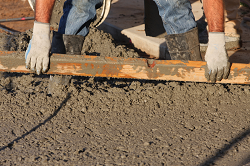
Portland cement production involves the chemical combination of calcium (usually from limestone), silica, alumina, iron ore, and other materials. Raw materials are crushed, ground, and burned (calcined) in large rotary kilns at a high temperature (1,500 degrees Celsius) to produce clinker.
Global demand for portland cement is projected to advance 3.8% per year to 1.1 billion metric tons in 2025.
India and the Philippines – already among the largest markets in the world – are projected to expand rapidly as the construction markets in these countries, particularly infrastructure development and construction of new commercial and multifamily housing, continue to expand at a rapid pace.