Plastic Fencing
This study analyzes US demand for plastic fencing by market. Plastic fencing demand is provided in value terms (current US dollars) and in linear feet.
Free Sample Report
Request a free sample of this report and our team will email it to you.
Report Overview
Featuring 18 tables and 26 figures – now available in Excel and Powerpoint! Learn More
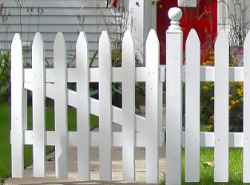
This study analyzes US demand for plastic fencing by market. Plastic fencing demand is provided in value terms (current US dollars) and in linear feet for the following market segments:
- residential buildings (single-family, multifamily, and manufactured housing)
- commercial buildings:
- office, trade, and lodging
- institutional
- industrial
- other commercial buildings (e.g., transportation, government buildings)
- nonbuilding, consisting primarily of power generation and transportation infrastructure, as well as parks and playgrounds
- agricultural
Scope and Summary
Demand is segmented by new and improvement and repair (I&R) for each market.
Also included are pricing per linear foot at the manufacturers’ level and installation cost estimates.
Plastic fencing demand is also segmented by material type in terms of:
- vinyl
- high density polyethylene (HDPE) and other plastics (e.g., polypropylene, low density polyethylene, high tensile polymer)
Composite fencing is excluded from the scope of this report.
Historical data for 2009, 2014, and 2019 and forecasts to 2024 and 2029 are presented in dollars and linear feet.
Through 2024, demand for plastic fencing is forecast to increase 5.3% annually to $985 million (101.4 million linear feet). The favorable performance and aesthetic properties of plastic fencing will result in its increasing use in all markets.
Homeowners Continue to Switch from Wood to Vinyl Fencing
The residential market will remain by far the dominant outlet for plastic fencing, as homeowners increasingly opt for vinyl fencing as an alternative to wood, especially in the new residential market. Despite higher initial costs, consumers will continue to choose vinyl because of its:
- longer lifespan and higher resistance to degradation compared to wood, which offers consumers long-term cost savings
- ability to resemble wood, a result of advancements made by plastic fencing manufacturers to improve the aesthetics of the material
- limited maintenance requirements, as it does not need to be painted or stained periodically like wood
HDPE Fencing to See Healthy Gains in Agricultural Market
High density polyethylene (HDPE) – which is available in a wider range of colors, offers high impact resistance, and is perceived as more environmentally friendly than vinyl – will continue to see the most extensive use in the agricultural market. In agricultural applications, HDPE fencing works well for keeping cattle, horses, and other types of livestock within designated areas, while also offering the appearance of a traditional wood fence. Furthermore, HDPE does not splinter like wood or PVC, thus preventing livestock from being injured.
Short Term Impact From COVID-19 Pandemic Is Mixed
Despite the near-term economic downturn resulting from the COVID-19 pandemic, demand for residential plastic fencing will be sustained by increased homeowner spending on DIY projects and exterior upgrades that require minimal face-to-face interactions with contractors. A less positive outlook is anticipated for the commercial market, which will be negatively impacted by businesses delaying renovation projects amid falling revenues, but the dominance of residential applications for these products will allow the market as a whole to weather the economic downturn.
- Executive Summary
- About This Report
- Report Details
- Study Scope & Product Description
- Impact of COVID-19 Pandemic
- Overview
- Historical Market Trends
- Long-Term Forecast (Linear Feet & Value)
- Demand by Material
- Vinyl
- HDPE & Other Plastics
- Pricing Outlook
- Installation Costs
- Competitive Products
- Markets
- Demand by Market
- Residential
- Demand by Housing Type
- Single-Family
- Multifamily
- Manufactured
- Commercial
- Demand by Building Type
- Office, Trade, & Lodging
- Institutional
- Industrial & Other Commercial Buildings
- Nonbuilding
- Agricultural
- Suppliers & Market Share
- Industry Composition
- Key Suppliers & Market Share
- Appendix
- Scope
- Definitions
- Freedonia Methodology
- Study-Specific Methodology
- Sources
- Associations & Agencies
- Related Studies & Reports
- Macroeconomic Assumptions
- Economic Environment
- Demographics
- Consumer Financing
- Consumer Spending
- Residential Building Construction
- Residential Improvements & Repairs
- Commercial Building Construction
- Commercial Building Improvements & Repairs
- Nonbuilding Construction Expenditures
- Housing Stock
- Agricultural Outlook