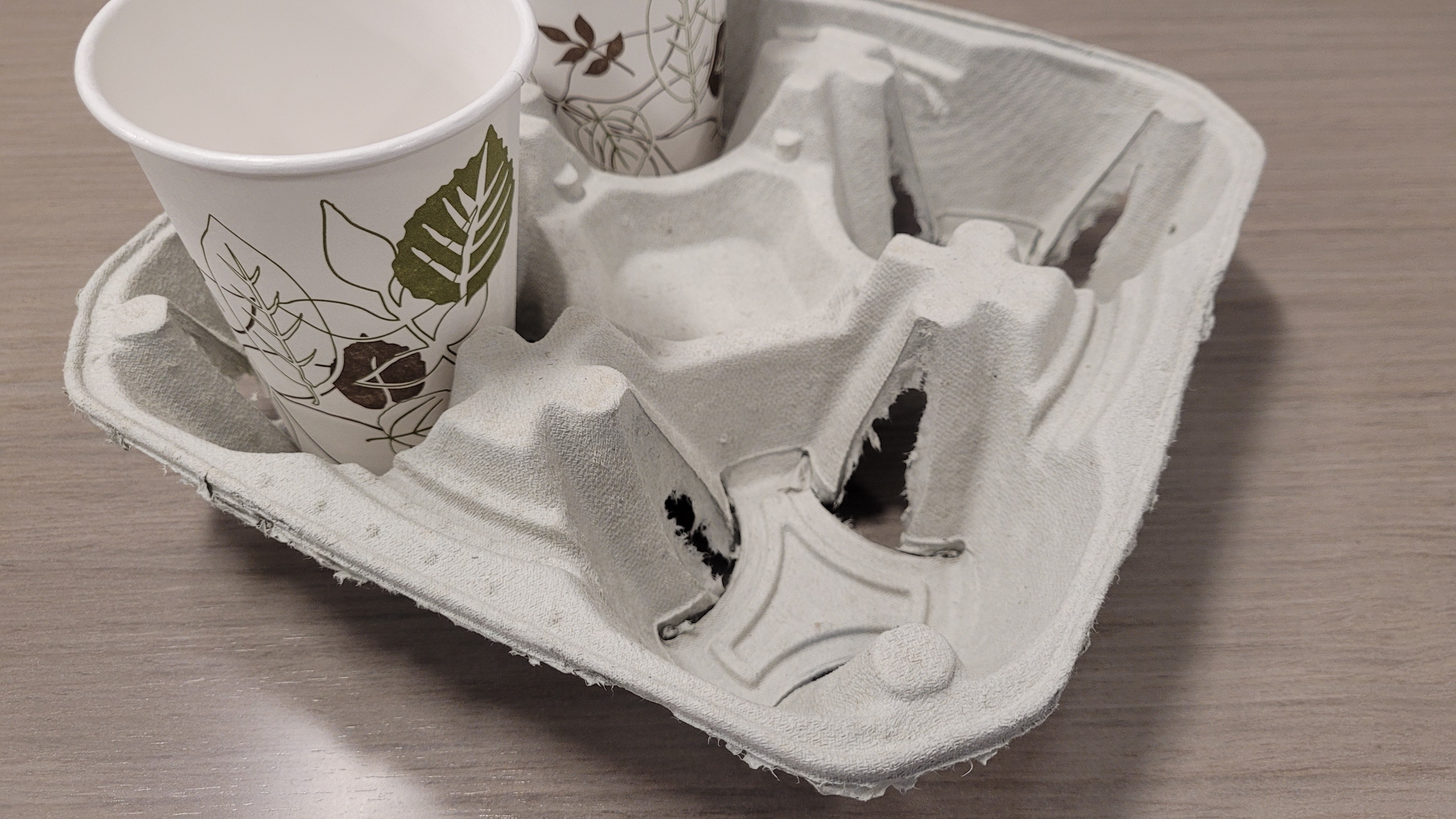
Fiber Food Disposables

The US molded fiber foodservice disposables market is on a strong growth trajectory driven by sustainability efforts, technological advancements, and enduring market trends. Projections indicate an 11% annual increase,.
The US molded fiber foodservice disposables market is on a strong growth trajectory driven by sustainability efforts, technological advancements, and enduring market trends. Projections indicate an 11% annual increase, bringing the market to $1.8 billion by 2027, with 11% growth in unit sales, totaling 17.8 billion units. This growth is fueled by molded fiber's eco-friendly reputation, advancements in coatings and additives, and ongoing cost reduction in production methods, especially when using alternative fibers.

The demand for single use molded fiber foodservice products is closely tied to the broader trends in foodservice revenue, which reflect how often people dine out and what they spend on these meals. These trends depend on various economic and demographic factors, including changes in food consumption habits, overall economic health, disposable income levels, shifts in the population mix, and consumer spending habits, such as travel and entertainment expenses. Innovations in coatings and additives are expanding the market for molded fiber applications, including accommodating high-temperature and oily products. Progress in manufacturing and tooling processes is steadily chipping away at the production costs of molded fiber, particularly when sourced from alternative fibers.

Pros

  • Common alternative materials for molded fiber disposable food containers include bamboo, wheat straw, wood pulp, and bagasse. These materials are quickly renewable and readily available to manufacturers.
  • Molded fiber manufacturing and production are cost effective.
  • Molded fiber can be easily made into complex shapes without additional production costs.
  • Can be used in freezers and microwaves.
  • Molded fiber disposables are an alternative option in states with ordinances to limit single use plastics.

Cons

  • When containing wet foods, molded fiber (without coating) can become soggy or flimsy.
  • Hot foods can collect condensation inside molded fiber food containers causing the food to become soggy.
  • Some molded fiber food disposables contain PFAS, which is a chemical banned in some states.

With further development, some of these cons may be resolved. According to a Freedonia Groups study, both consumers and manufacturers are mindful of materials being used for food disposables. As trends shift away from single use plastics and Styrofoam, molded fiber will continue to provide an excellent substitute. Major players in single use food container manufacturing are working hard to improve the materials and methods used in producing molded fiber food disposables. These enhancements are intended to improve the quality of the product and increase consumer appeal.

To learn more about these companies and their progress, and the industry as a whole, check out Freedonia Group’s report, US Molded Fiber Foodservice Disposables.