Transportation is an essential part of life. Some aspects, though, are a concern for governments around the world for a variety of reasons, such as environmental decline, overcrowding, and expense.
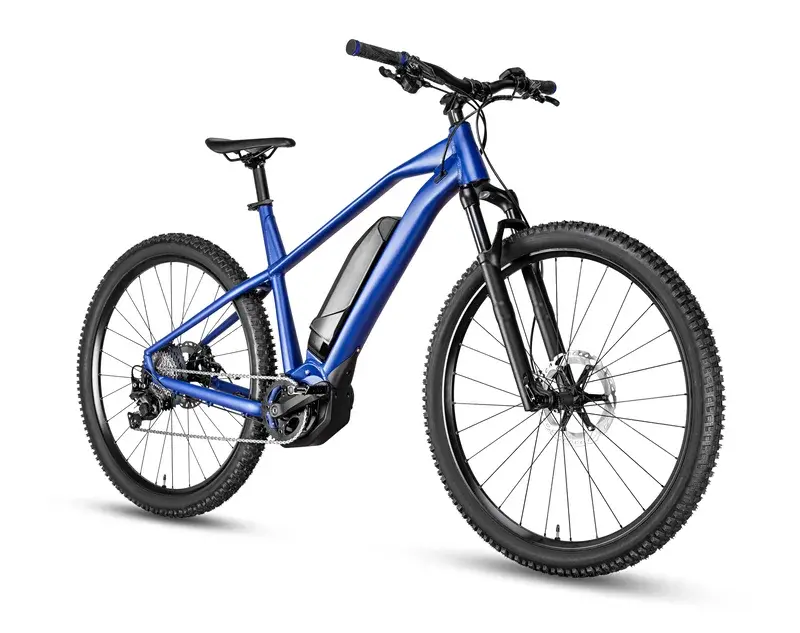
Global demand for e-bikes is expected to grow at an annual rate of 5.9% through 2027, reaching 36.6 million units. The Asia/Pacific region and Western Europe will be the primary drivers, accounting for 88% of new product demand, with China leading in the Asia/Pacific region and Western Europe incentivizing e-bike use through subsidies and infrastructure improvements. The quality of e-bikes has improved dramatically during the past decade and offer a sustainable and eco-friendly transportation alternative, reducing carbon emissions and promoting environmental conservation. Their versatility and accessibility make them an inclusive mode of transportation, addressing mobility challenges and fostering healthier, more active lifestyles worldwide. Some governments are incentivizing the purchase of electric bikes to promote environmentally friendly transportation, reduce traffic congestion, improve public health, stimulate economic growth, and achieve broader sustainability goals through measures such as tax credits and subsidies.
Where Will Consumers See Government Incentives to Switch to E-Bikes?
Inflation Reduction Act, the new bill draws inspiration from the success of Denver's e-bike rebate program, which distributed over 4,700 e-bike rebates in the previous year.
-
In Canada, efforts to encourage the adoption of electric bikes (e-bikes) involve a multifaceted approach. Some provinces and municipalities provide financial incentives or rebates to make e-bikes more affordable, while others invest in cycling infrastructure development, including dedicated bike lanes. Public awareness campaigns and educational programs aim to highlight the environmental and health benefits of e-bikes. Regulatory adjustments are made to accommodate the growing use of e-bikes, and collaborations with businesses offer discounts or perks for employees choosing e-bike commuting. Transportation 2040 in Vancouver lists e-bikes as an increasingly popular mode of transportation and outlines plans to support growth of such transportation alternatives.
For more information on the expectations and how e-bikes will increasingly face competition from electric motorcycles, mopeds, and scooters, see Freedonia Group’s Global Motorcycles and Global E-Bikes studies.